Many women feel anxious when they read about the abortion pill and fertility, especially since mixed information can create unnecessary fear. A very misunderstood link between the abortion pill and fertility can be explained with the precise insight of science in how the medication works. Once the medical mechanism is understood, much of the confusion between the abortion pill and fertility becomes less puzzling. Clarity on the abortion pill and fertility helps them feel secure and informed at a moment when they need reassurance. With the right guidance, the relationship between the abortion pill and fertility becomes simple to understand instead of intimidating.
Why Knowledge Can Protect Women From Fear
Most of the fear around medical decisions comes from misinformation. Women look for answers during emotional moments, and they deserve clear and sensitive guidance. When information is direct and easy to understand, uncertainty drops instantly. Instead of reacting to myths, women can approach the process with scientific clarity and make choices based on real facts. A medical abortion works with the body’s natural functions, not against them. This understanding helps women feel emotionally stronger and mentally prepared.
Reliable information builds confidence. It gives women a sense of control during a delicate time. When they know how the medication works and how the body responds, they feel reassured about their long-term health. No woman should carry fear shaped only by rumors or cultural stigma.

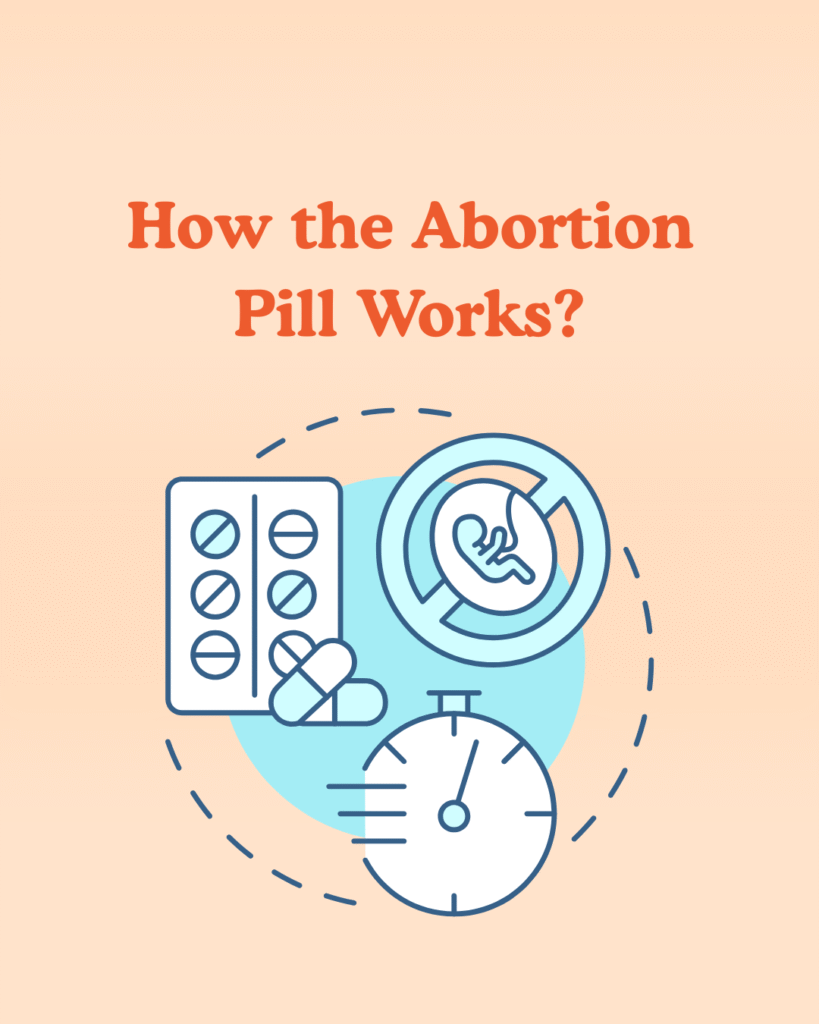
How the Abortion Pill Works Inside the Body
The menstrual cycle usually returns on a predictable timeline. Hormones settle back into balance soon after the abortion ends. Since the medications do not harm the reproductive organs, fertility remains safe. Studies from many countries and healthcare systems repeatedly show the same conclusion.
Many women worry that bleeding means something went wrong. In reality, bleeding during a medical abortion is completely normal. It’s a short-term response, not a sign of damage. After the process finishes, the uterus moves back into its natural rhythm.
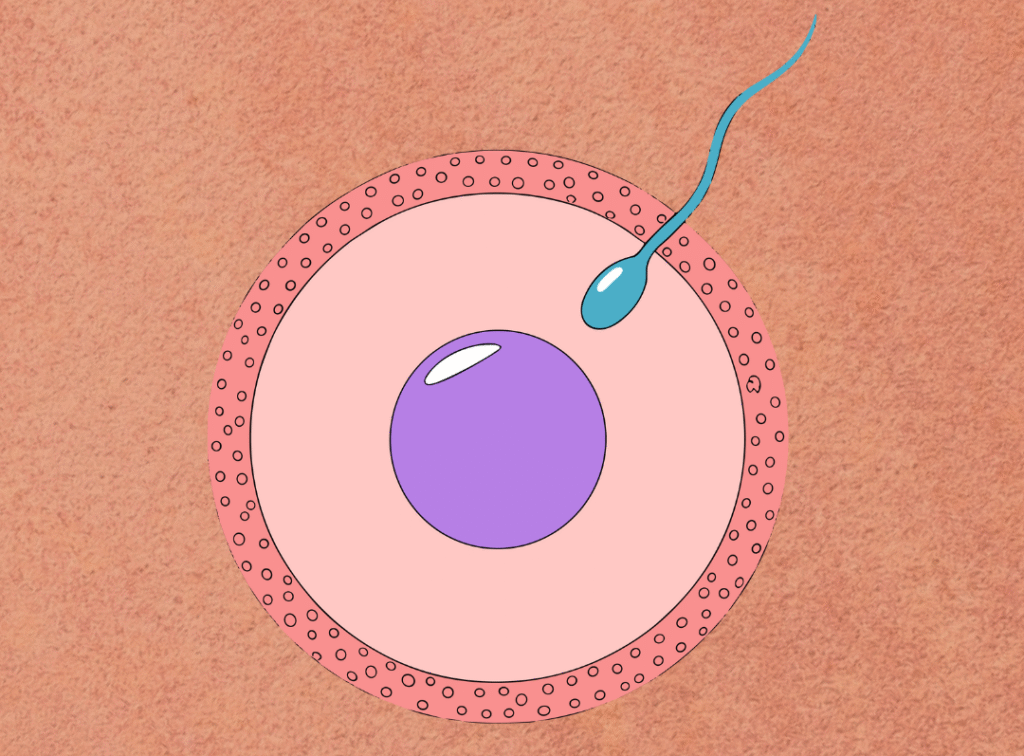
Why fertility remains intact after a medical abortion.
Fertility relies on a number of internal systems: the ovaries, fallopian tubes, the uterus, and the hormonal cycle. A medical abortion does not disrupt these systems. The medication doesn’t scar tissues, block tubes, or weaken the uterus. It does not interfere with ovulation, nor does it alter long-term hormonal health.
After recovery, women can conceive any time as per their will. Many doctors illustrate that ovulation may take place even before the first period after a medical abortion. It proves that the reproductive system is strong. The body regains its natural cycle, which is proof that no permanent damage takes place.
Studies confirm the same result worldwide. Women who used the abortion pill later had healthy pregnancies. They delivered safely and reported normal fertility patterns. This scientific consistency gives women the reassurance they deserve.
👉 [Book Your Free Doctor Consultation – Click to Submit Your Form]
Why Myths About Infertility Spread So Easily
Misconceptions often grow because silence and stigma leave space for confusion. People without medical knowledge spread wrong assumptions, and communities sometimes rely on outdated beliefs instead of modern science. Many still misunderstand medical abortion and compare it to unsafe procedures done without proper care, which creates unnecessary fear.
Reproductive health topics also trigger strong emotions. Because of this, misinformation spreads quickly. A woman should remember that medical abortion goes through clinical testing and solid research. Doctors, gynecologists, and global health organizations support its safety profile and continue to study it carefully.
When false claims circulate, women start worrying about their future fertility and fear becoming childless. These rumors create long-term stress. Clearing these myths brings comfort and removes the emotional pressure that misinformation causes.

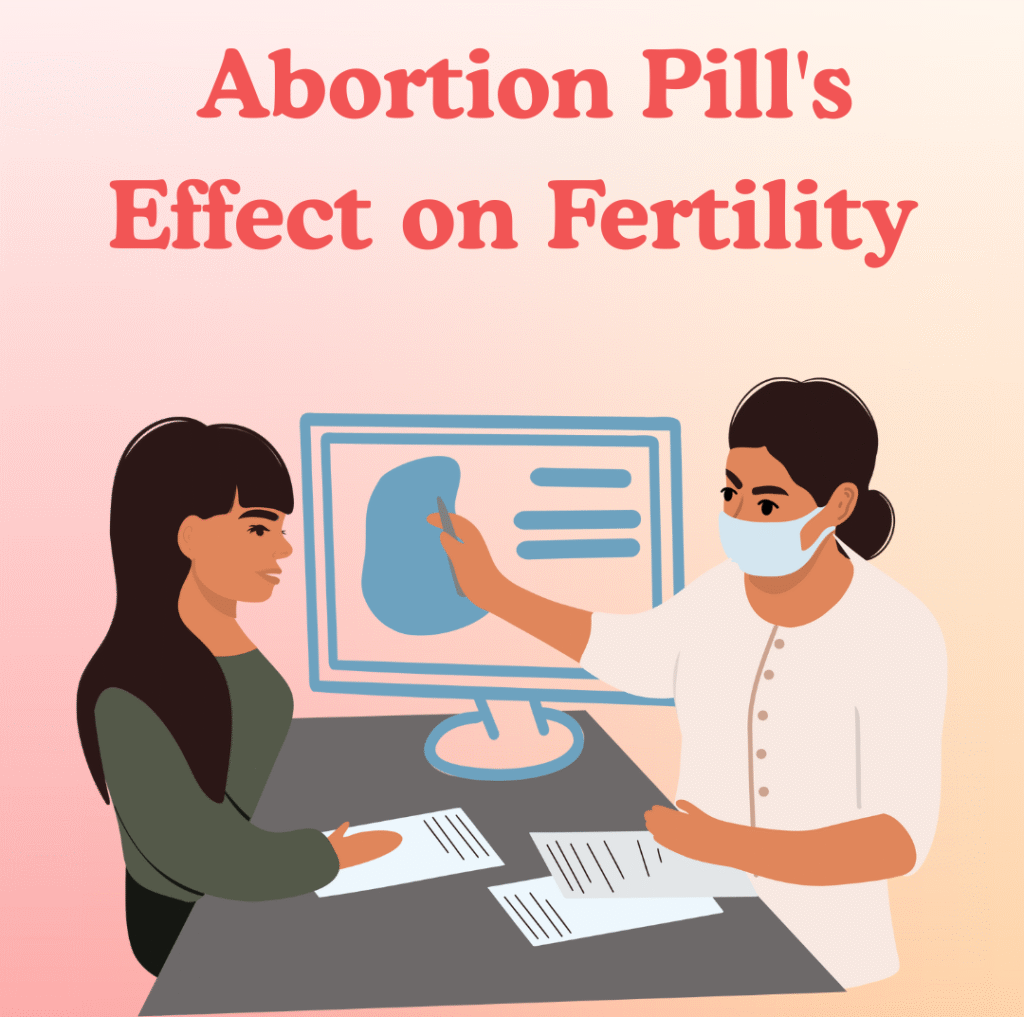
What the Experts Say About the Abortion Pill's Effect on Fertility
Medical abortion does not harm future fertility, and experts in reproductive health clearly say this. Leading organizations like the World Health Organization and national health authorities describe medical abortion as a non-surgical, controlled, and medically guided process.
Doctors explain that infertility usually comes from infections, chronic conditions, hormonal issues, or other medical concerns. They never include the abortion pill in that list. The medication does not injure the reproductive organs, so it does not lead to long-term complications.
Many gynecologists comfort their patients by telling them that they can plan a pregnancy whenever they feel ready. Their patients often feel relieved because their fertility stays completely protected.
Get a confidential, no-cost consultation — no judgment, just guidance.
Free, Private Consultation
If you’ve missed your period and feel anxious about the possibility of pregnancy, connect with our Women’s Health Team today.
Because your health and peace of mind come first.
Emotional Strength Matters as Much as Physical Health
Medical decisions involve both feelings and facts. Women’s feelings about what is happening need to be validated in the process. Even when informed with solid information, the experience can indeed be stressful. It is important to remember that an emotional reaction does not mean physical harm.
This journey may be easier with support from trusted individuals or professionals. Compassionate care allows women to focus on their healing. Emotional clarity leads to healthier decision-making. When the woman feels understood, she finds balance between her physical and mental well-being.
Knowledge lessens anxiety and builds resilience. Women stand taller when they know their bodies are safe.


Aftercare supports recovery and reinforces well-being.
After a medical abortion, recovery is generally smooth. Women do report cramping and bleeding, but these symptoms taper off. Hydration, rest, and pain relievers all help one’s body get back to comfort. Observing the signals of the body and respecting them will encourage smooth recovery.
The return of the menstrual cycle serves as an assurance of the return of reproductive health to its normal rhythm. This pattern, quite predictable, gives many women a sense of security. Aftercare is not complicated; women soon resume normal activities.
How Women Can Protect Their Fertility Going Forward
Overall reproductive health supports fertility. Regular check-ups, proper nutrition, and a healthy lifestyle will strengthen the body. Protection against infections, management of stress, and awareness of hormonal patterns promote future pregnancy planning.
None of these efforts is interfered with by having a medical abortion. On the contrary, women can continue their routines and long-term plans without fear. Fertility is dynamic and has many factors influencing it, but a medical abortion is not one of them.
Women can focus on life goals, relationships, and dreams without carrying unnecessary worry.

Why Medical Guidance Matters During the Process
Professional advice makes a great deal of difference in how confident and safe women feel. Doctors help women understand the stages, the symptoms one is likely to experience, and when one should return to normal. If women know what will occur at each stage, they are much less anxious. Medical care also ensures that any abnormal symptoms are treated promptly. All this reassurance serves to safeguard general well-being and reduce emotional tension. Knowledgeable care instills trust in the procedure and enables women to go on with their lives without residual fear of any kind.
Long-term reproductive health after a medical abortion
For many women, especially those who want children in the future, long-term reproductive health is a big concern. Medical studies consistently demonstrate how ovulation quickly resumes after a medical abortion, the uterus remains healthy, and hormonal cycles proceed as before. This fact makes it possible for women to get pregnant again any time they feel ready; their long-term fertility remains unaffected. Many of them go on to conceive healthy pregnancies, deliver successfully, and have normal gynecological examinations thereafter. Such evidence removes uncertainty and reassures women that their future is not limited by their present decision.
Women deserve truth, safety, and confidence. Fertility remains intact after a medical abortion. Women should not nurture fear created by untruths. This is scientifically clear, and experts support this evidence. The reproductive system will continue functioning properly, and one can have future pregnancies with no problem at all. Understanding the truth helps women walk through the process with dignity and peace. Knowledge gives strength, and strength gives clarity. Every woman deserves to be accurately informed, compassionately supported, and reassured about her body’s resilience. Standing on the power of facts, women can confidently make choices to protect their well-being and trust their future.
![What are Plan C Pills? Everything You Need to Know [Guide]](https://theplanc.org/wp-content/uploads/2025/10/the-plan-c-10-e1761303109872-1024x685.png)